
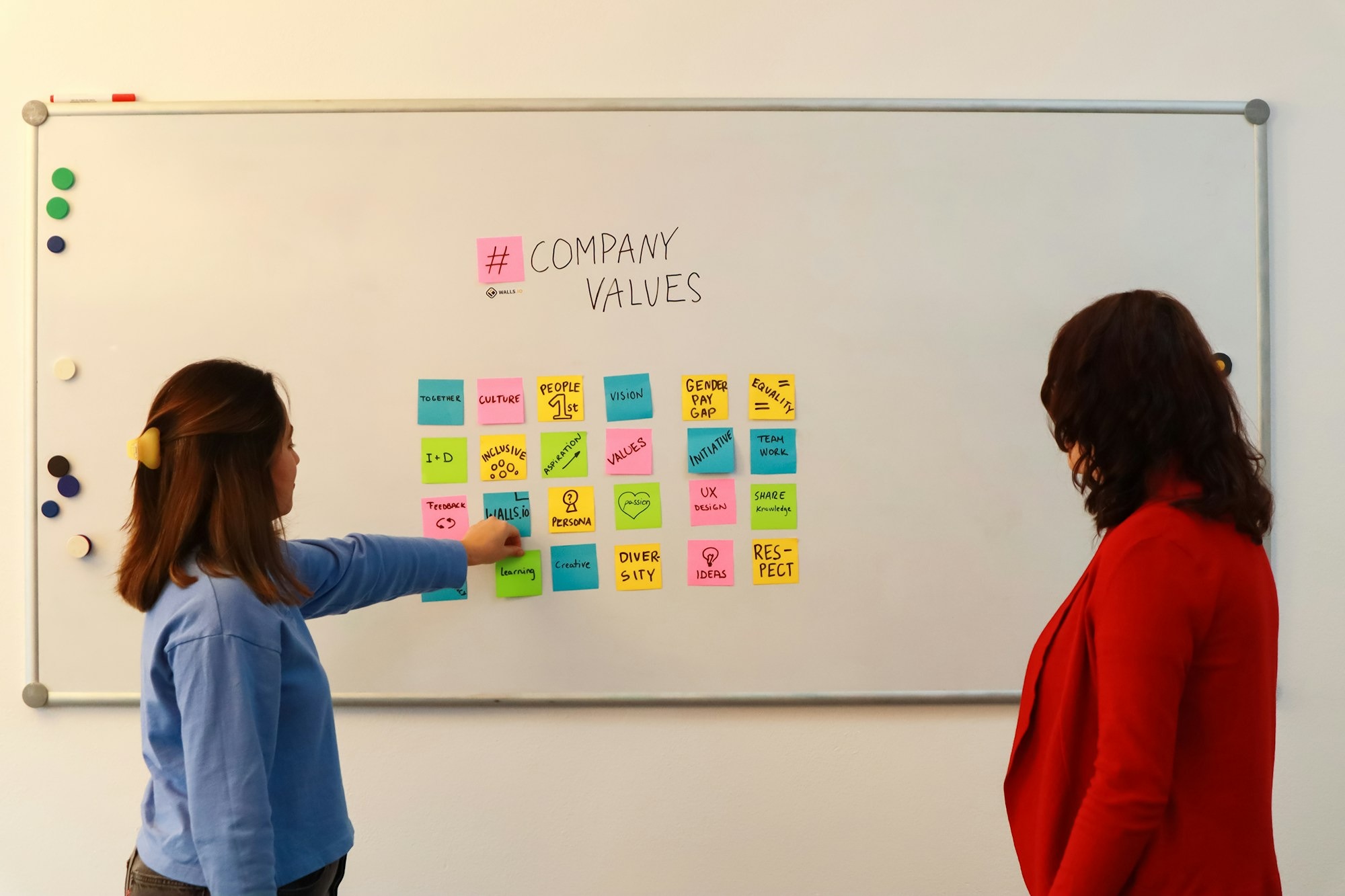
Organisational values do not change culture unless they shape leadership, incentives, promotion, accountability and what happens under pressure...

Workplace friendships can provide support, ease pressure and create a sense of belonging. But relationships at work can also have a less positive side, creating challenges that can affect individuals and teams....

Performance metrics only tell part of the story. Lasting culture change starts by understanding employees' lived experience, uncovering what drives behaviour before deciding how to respond....

Not every struggling team needs a culture overhaul. Some simply lack clear goals, roles and processes, while others require a deeper diagnostic. Matching the intervention to the underlying problem leads to more effective and lasting change....

When a team is struggling, the explanation often becomes personal. Sometimes individual behaviour is central to the problem. There are employees whose conduct is inappropriate, harmful or incompatible with expected professional standards. Leaders should not avoid individual accountability by...

When workplace cliques emerge, leaders often try to break them up. But direct intervention can drive the behaviour underground, making the clique less visible, and harder to address...

When a team is struggling, a common response is to organise a team building day. But when trust is low, relationships are strained or people feel psychologically unsafe, a traditional team-building day may not be the best approach....

When poor behaviour or conflict emerges in a team, leaders often feel pressure to respond quickly. But it’s important to understand what’s driving the situation and sometimes that needs specialist help....

Recent reports such as the Ockenden Review have once again highlighted the devastating consequences that can occur when concerns within teams are not recognised or addressed early enough. While every organisation and every situation is different, these reports raise an important...

Blame can create the illusion of control. If harm can be attributed to one person, organisations can feel psychologically protected from confronting a far more uncomfortable reality......

Conflict at work can often be blamed on interpersonal issues. However, what may look like a personality clash is very often a symptom of something deeper......
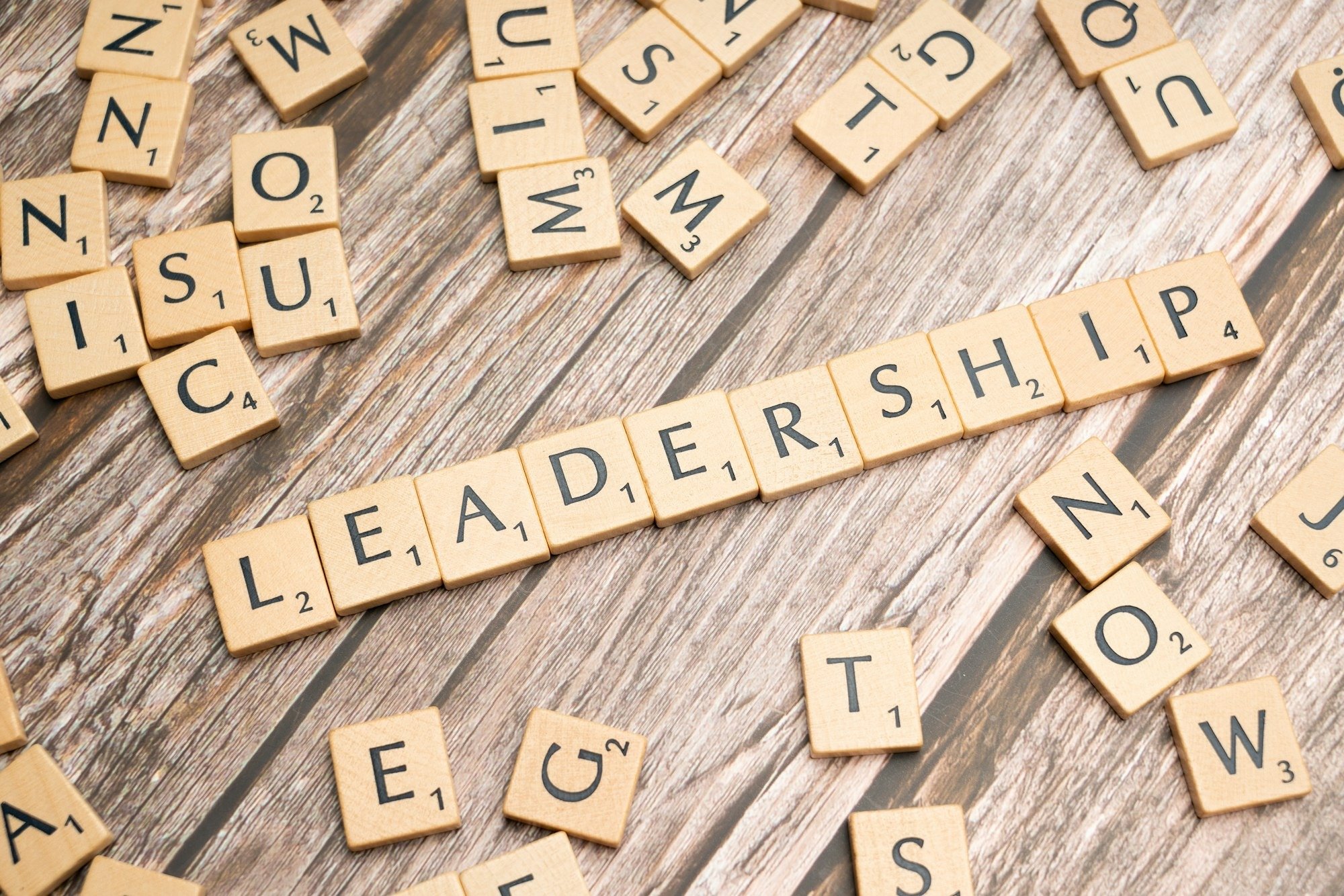
When things go wrong culturally, when people don’t speak up, when behaviour crosses the line, when issues are known but not addressed. At what point does this become a leadership issue?...
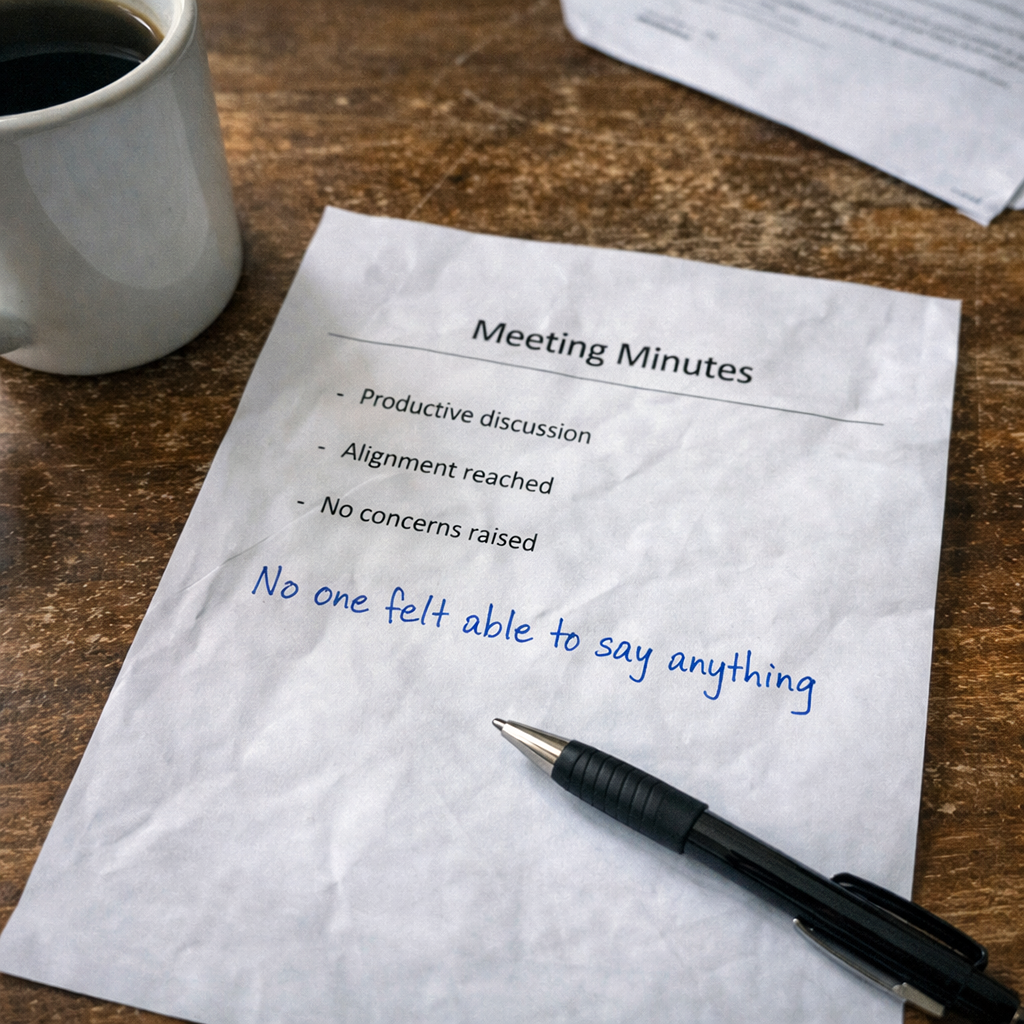
Employees often stay silent in meetings to avoid judgement, not because of agreement. Actual concerns shift to informal spaces, creating gaps that impact decisions, trust, and workplace culture....

Resistance to feedback at work can be interpreted as people being defensive, closed, or unwilling to change. But instead of reflecting attitude or intent, it may relate to how feedback is experienced psychologically within a specific cultural context....

Before teams can collaborate well, challenge decisions, learn from mistakes or improve performance, psychological safety and trust between colleagues have to be in place... teams perform better when people feel safe to speak up, ask for help and admit uncertainty...

What is one small behaviour you could do today that demonstrates respect and humanity at work? Workplace civility is built one interaction at a time. When we get the small things right, the bigger things become easier....

Flexible working only works when it supports culture and performance. It’s often treated as a perk. But the research is clear: when flexibility is designed around people, not convenience, you improve mental health, job satisfaction and output. Flexible working reshapes: how people...

Role clarity shapes how you work, how you feel and how well your team performs. When roles are unclear, you get confusion, lower performance, and rising stress. This post explains why role ambiguity drains performance and wellbeing, and what you can do to fix it. Role ambiguity shows up when...
Values workshops excite teams and leaders alike. But the real work begins when everyone returns to their day-to-day roles. Sustaining momentum after a values workshop means embedding new norms into everyday behaviour. Too often, values become a one-off event rather than an ongoing way of...
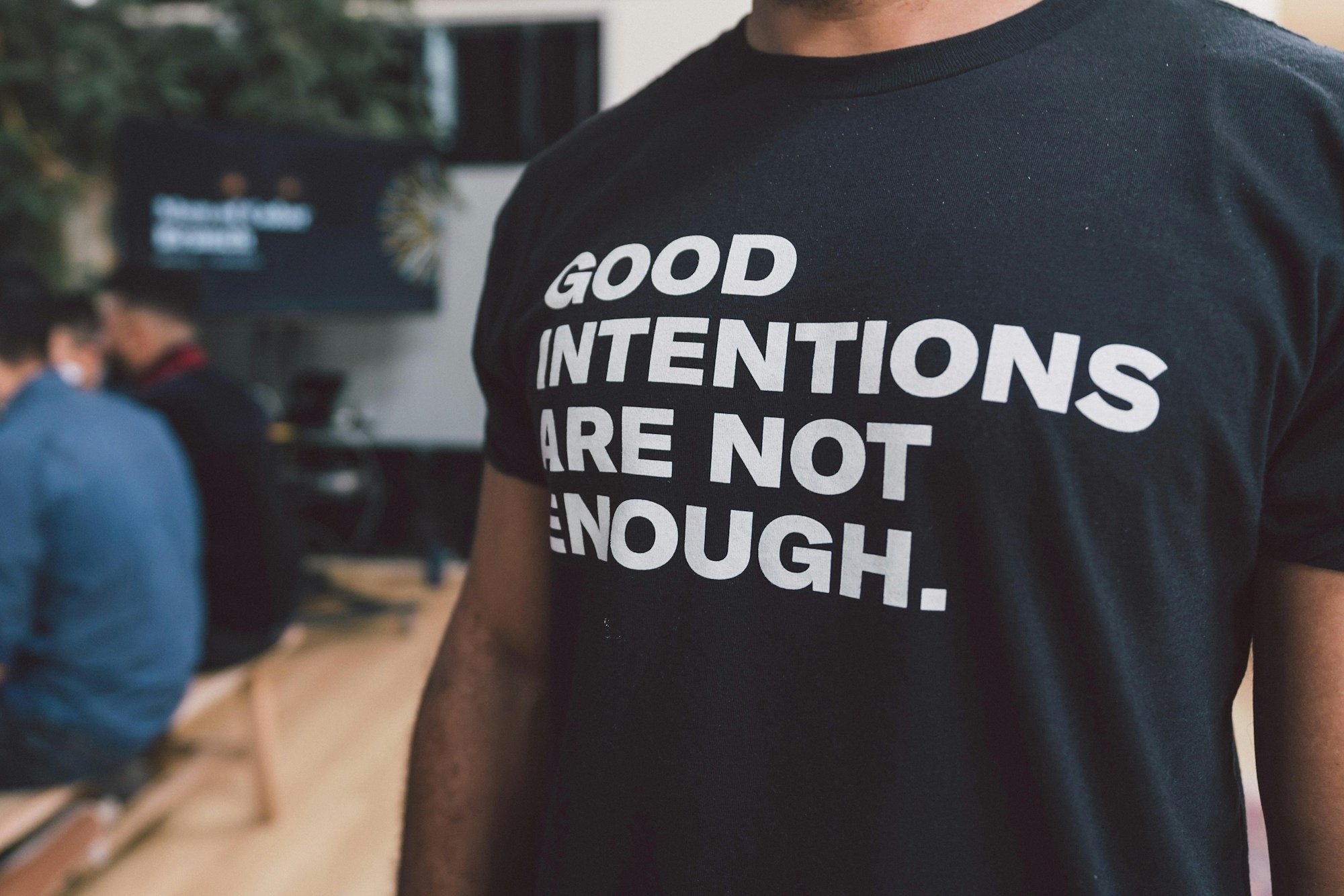
Leaders rarely fail because they don’t care. They fail because they assume awareness equals action. Many leaders say they’re self-aware, but evidence suggests otherwise. Research consistently shows that self-awareness is overestimated and often untested through objective feedback. Without...