
Why do organisations miss the early warning signs of unhealthy team cultures?

Recent reports such as the Ockenden Review have once again highlighted the devastating consequences that can occur when concerns within teams are not recognised or addressed early enough.
While every organisation and every situation is different, these reports raise an important question:
How do healthy teams gradually become unhealthy, and why do organisations often fail to spot the warning signs until problems have escalated?
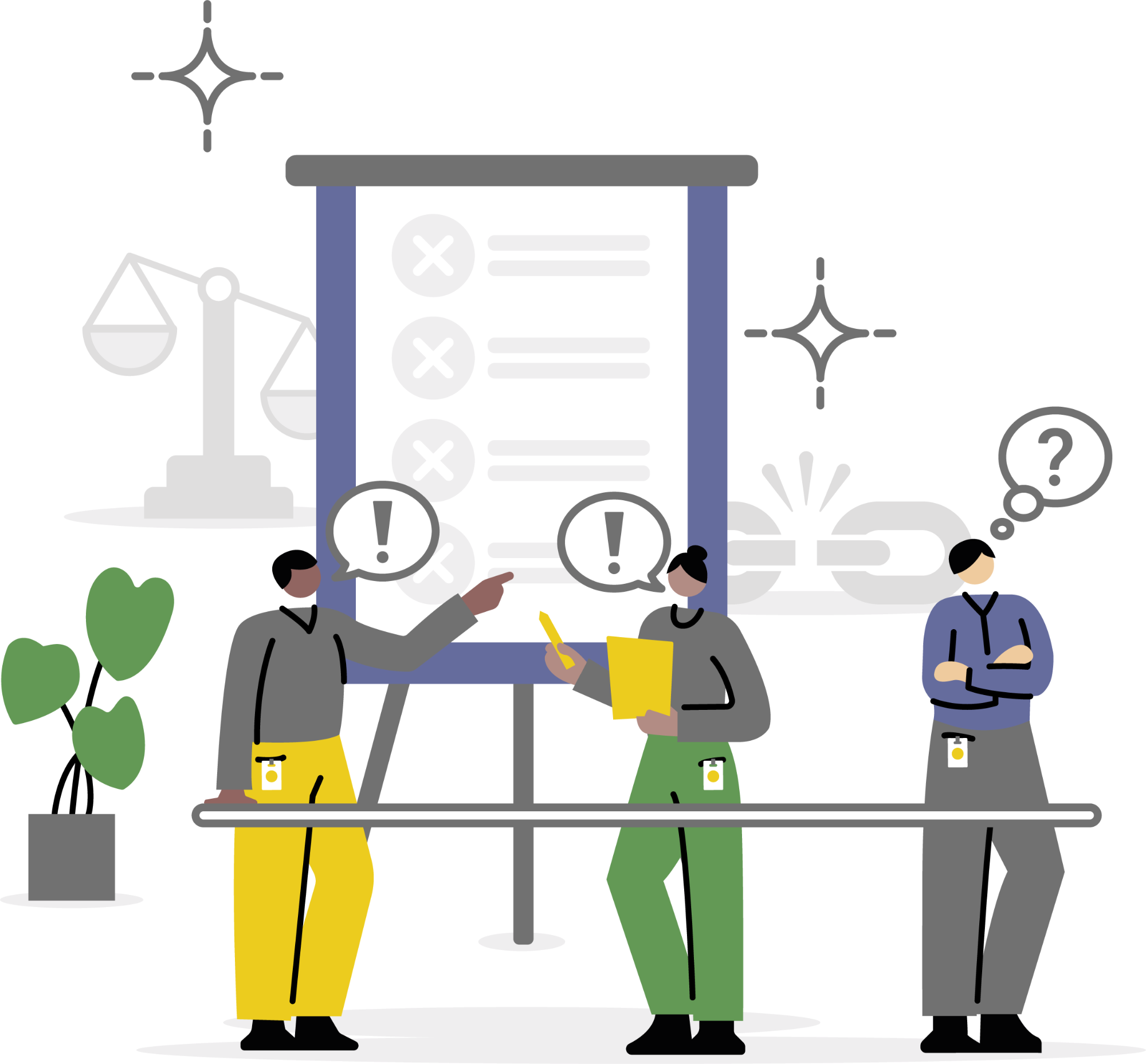
As an Occupational Psychologist, much of my work involves supporting organisations where a particular team has become stuck. By the time I'm invited in, leaders are often dealing with issues such as:
Ongoing employee relations cases
High staff turnover
Low morale
Relationship breakdowns
Complaints
Sickness absence
Leaders feeling they've tried everything
The instinct is often to ask: "How do we fix this?"
But I believe there is a more important question first.
What is really driving these issues?
The symptoms are rarely the problem
Organisations understandably focus on what they can see.
The grievance.
The complaint.
The conflict.
The difficult individual.
The disengaged team.
These are important, but they are often symptoms rather than the underlying problem.
Through deep-dive culture diagnostics, I frequently find patterns that have been developing over months, or even years.
For example:
Staff no longer feel psychologically safe to speak up.
Relationships between colleagues have gradually broken down.
Difficult conversations are avoided.
Informal groups begin to influence decision-making.
Leaders become drawn into managing recurring issues without understanding what sits beneath them.
Trust slowly erodes.
None of these things happen overnight.
Yet together they shape how people communicate, collaborate and ultimately deliver care and services.
Looking beneath the surface
Recently, I completed a culture diagnostic within an NHS Intensive Care Unit.
Rather than moving straight into formal investigations, the leadership team wanted to understand what was really happening within the team before deciding how best to intervene.
Through interviews with more than 30 members of staff, we explored the psychological factors influencing the culture, including leadership, communication, relationships and psychological safety.
This gave the leadership team a much clearer understanding of the issues affecting the team and enabled them to design interventions that addressed the underlying causes rather than simply responding to the symptoms.
Prevention is better than repair
Culture is often discussed after something has gone wrong. I believe we should be paying much more attention to recognising the early warning signs before problems become entrenched.
That means asking questions such as:
Do people feel safe to raise concerns?
Are difficult conversations happening?
How are decisions really being made?
What behaviours are being rewarded?
Are employee relations issues increasing?
Is there a gap between leaders' perceptions and staff experiences?
Understanding these patterns early gives organisations the opportunity to intervene before the consequences become more serious—for staff, leaders and ultimately the people they serve.

Final thought
Healthy workplace cultures don't happen by chance.
Neither do unhealthy ones.
They develop over time through everyday interactions, leadership behaviours, relationships and team dynamics.
The earlier we understand those dynamics, the greater our opportunity to create healthier teams, better staff experiences and safer, more effective organisations.
Free resource
If you're wondering whether one of your teams may be showing early signs of an unhealthy culture, I've created a free Toxic Culture Warning Signs Checklist to help leaders recognise some of the indicators before problems escalate.
If you'd like a copy, or you'd like to discuss how a culture diagnostic could help your organisation better understand what's driving complex team dynamics, I'd be happy to have an informal conversation.
Nicole Williams is an occupational and coaching psychologist specialising in culture repair, team dynamics and psychologically safe workplaces.
Comments