
Psychological safety in teams: The unwritten rules that silence people
Psychological safety in teams is often judged by what organisations say.
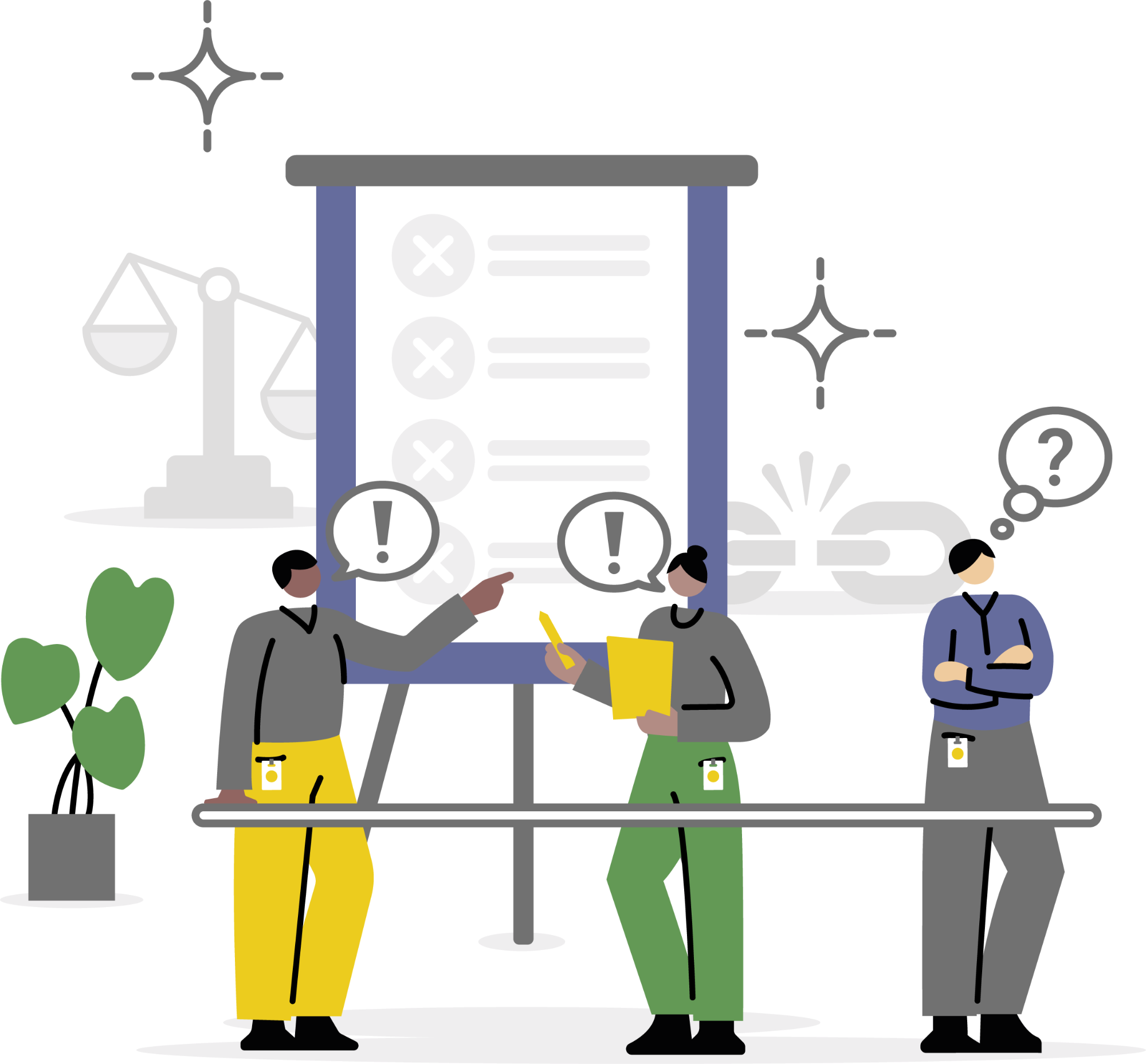
Psychological safety in teams is often judged by what organisations say: Values on the wall; policies in place; statements about openness and inclusion.
On paper, it looks positive.
Collaborative culture.
Open communication.
People encouraged to speak up.
But what matters is not what is written.
It is what people have learned.
This is the fifth and final post in a short blog series on 'culture repair'.
The unwritten rules every team has
Every team has rules.
Most of them are never written down. You see them in everyday behaviour:
Who speaks first in meetings
Who never gets challenged
Who gets ignored
These patterns are not random. They signal how the team really works.
And people pay attention.
What you see when you look closer
When I am brought in to assess psychological safety in teams, the surface often looks fine.
Meetings happen. People contribute. Decisions get made.
But underneath, you see something different.
People pause before speaking
They scan the room
They choose their words carefully
Or they stay silent
This is not lack of confidence.
It is learned behaviour.
The rules people learn
Over time, people learn what is safe. Not through training, but through experience.
They pick up rules like:
Do not question certain people
Do not raise issues in that meeting
Do not align with the wrong group
Do not be seen as difficult
No one says these rules out loud.
But everyone understands them.
What happens when rules are broken
These unwritten rules are reinforced by consequences. If someone steps outside them, there is often a cost.
You might see:
Being sidelined from decisions
Being excluded from conversations
Being talked about after meetings
Subtle loss of influence
These consequences do not need to be formal. They are enough.
People notice.

How people adapt
When psychological safety in teams is low, people adjust quickly. They:
Stay quiet
Go along with decisions
Avoid challenge
Protect themselves
This is not disengagement.
It is risk management.
Why it looks like everything is fine
From the outside, these teams often look functional.
Meetings run smoothly.
There is little visible conflict.
Decisions appear aligned.
It can look like harmony.
But when you look closer, it is often compliance. People are not agreeing.
They are avoiding risk.
Why organisations miss this
Organisations tend to focus on formal elements of culture. They invest in:
Values statements
Behaviour frameworks
Policies and procedures
These are visible. They are easy to communicate.
But they do not define culture.
What actually shapes culture
Psychological safety in teams is shaped by experience. Specifically:
What happens when someone speaks up
How challenge is received
Who gets supported or shut down
People do not follow written values.
They follow consequences.
The role of consequences
Every action sends a signal. If speaking up leads to:
Being ignored
Being criticised
Being excluded
People learn quickly. They stop speaking.
If speaking up is met with:
Curiosity
Respect
Action
People continue.
Culture forms through these repeated experiences.
Why silence develops so quickly
You do not need explicit rules to create silence.
You only need:
A few negative consequences
A lack of response to concerns
Visible examples of people being shut down
That is enough.
People join the dots.
And adjust their behaviour.
The risk for organisations
When psychological safety in teams is low, organisations lose access to information.
You may see:
Issues raised late or not at all
Limited challenge in decision making
Reduced innovation
Hidden risks
Leaders may believe everything is working.
But important information is not being shared.
What to pay attention to
If you want to understand psychological safety in teams, do not start with policies. Start with behaviour.
Ask:
Who speaks up in meetings?
Who stays silent?
What happens when someone challenges?
Are difficult issues raised openly or avoided?
These patterns tell you what is really happening.

Shifting the culture
Improving psychological safety in teams is not about telling people to speak up.
It is about changing what happens when they do. This means:
Responding constructively to challenge
Addressing negative consequences quickly
Making it safe to raise concerns
Challenging informal rules that silence people
Without this, nothing changes.
Final thought
You do not need a toxic policy to create a toxic culture.
You only need unwritten rules that everyone understands and no-one feels able to challenge.
That is what shapes behaviour. Not what is written...
but what is felt.
Nicole Williams is an occupational and coaching psychologist specialising in culture repair, team dynamics and psychologically safe workplaces.
Comments