
Personality clash at work? Why it’s often a culture problem

“Personality clash at work.”
You hear it all the time. Two people are not getting on. There is tension.
The issue gets labelled as interpersonal, so the response is usually simple:
Keep an eye on it
Let them sort it out
Separate them if needed
It sounds reasonable. Low intervention. Low risk. But in many cases, this approach misses what is really going on, and that is where problems grow.
This post is the third in a short blog series on culture repair
A Common Scenario
I was asked to look at a team where there was a “personality clash at work.”
Two individuals were struggling to work together. At first glance, it looked contained. Six months later, the picture had changed:
The team had split into sides
Communication had broken down
A formal complaint had been raised
What started as a small interpersonal issue had escalated into a team-wide problem.
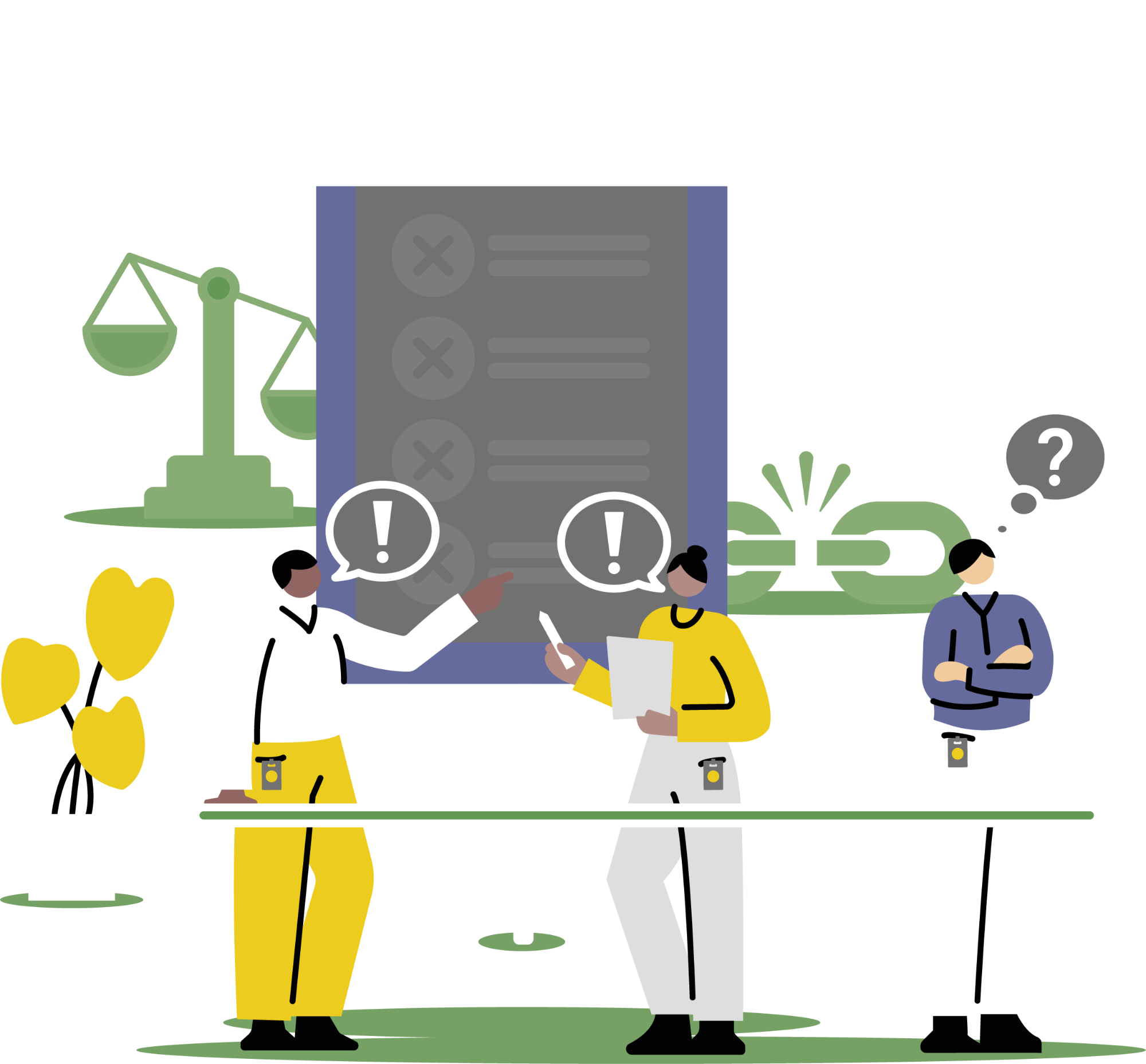
Why “personality clash” is often the wrong diagnosis
Labelling something as a personality clash at work can be misleading.
It suggests:
The issue sits within individuals
The solution is behavioural or relational
The wider system is not involved
But in practice, conflict rarely sits in isolation. It is shaped by the environment around it. When you only focus on the individuals, you miss the drivers that allow the situation to escalate.
What was actually driving the problem
When I looked beneath the surface, this was not just about two people. It was about the team culture.
Specifically:
Informal alliances had formed
Certain behaviours were tolerated
Others felt excluded or marginalised
The conflict had become embedded in how the team operated. And that changed the risk level completely.
The hidden factors behind conflict
When a personality clash at work escalates, it is usually because of underlying cultural dynamics.
These often include:
1. Informal power
Not all influence sits in formal roles. Some individuals shape:
Decision making
Group norms
Who is included or excluded
This can create imbalance and tension.
2. Unspoken rules
Every team has rules that are not written down.
For example:
Who gets heard
What behaviour is acceptable
What gets ignored
These rules drive behaviour far more than policies.
3. Psychological safety
People quickly learn what is “safe” in a team. They notice:
What happens when someone speaks up
How conflict is handled
Who gets supported
If it feels unsafe, people:
Stay silent
Align with dominant voices
Avoid challenge
That allows issues to deepen.
The critical question that gets missed
In this case, no one had stepped back to ask:
“What’s actually driving this?”
Instead, the organisation moved through a familiar pattern:
Monitor the situation
Hope it resolves
Move to formal process
There was no diagnosis of the system and, without that, the intervention came too late.
The cost of getting it wrong
When a personality clash at work is misdiagnosed, the impact builds over time.
You often see:
Escalation into formal complaints
Team division and reduced collaboration
Loss of trust
Increased HR and leadership time
Higher risk of grievances or attrition
At that point, resolution becomes:
Slower
More complex
More costly
What organisations should do instead
When conflict appears, pause before jumping to conclusions.
Do not assume it is just a personality clash at work.
Instead, ask:
1. What patterns are we seeing?
Is it contained or spreading?
Are others getting involved?
Is communication changing?
2. What is being reinforced?
Which behaviours are tolerated?
Which are challenged?
Who has influence?
3. What feels safe in this team?
Can people speak openly?
Are concerns addressed early?
Is conflict handled constructively?
4. What is happening beneath the surface?
Are there alliances or subgroups?
Are some individuals being excluded?
Are there power dynamics at play?
Shift the approach early
The key is to intervene earlier and at the right level.
Instead of only focusing on individuals:
Look at the team system
Address norms and behaviours
Surface unspoken dynamics
This prevents escalation, and it avoids the need for formal processes later.

Final thought
A personality clash at work is rarely just about personality.
It is often a signal. Something in the team is not working.
If you only focus on the individuals, you treat the symptom.
If you look at the culture, you can address the cause.
Previous posts in the series:

Nicole Williams is an occupational and coaching psychologist, specialising in culture repair, team dynamics and psychologically safe workplaces.
Comments