
Employee survey follow-up: why the survey is not the intervention
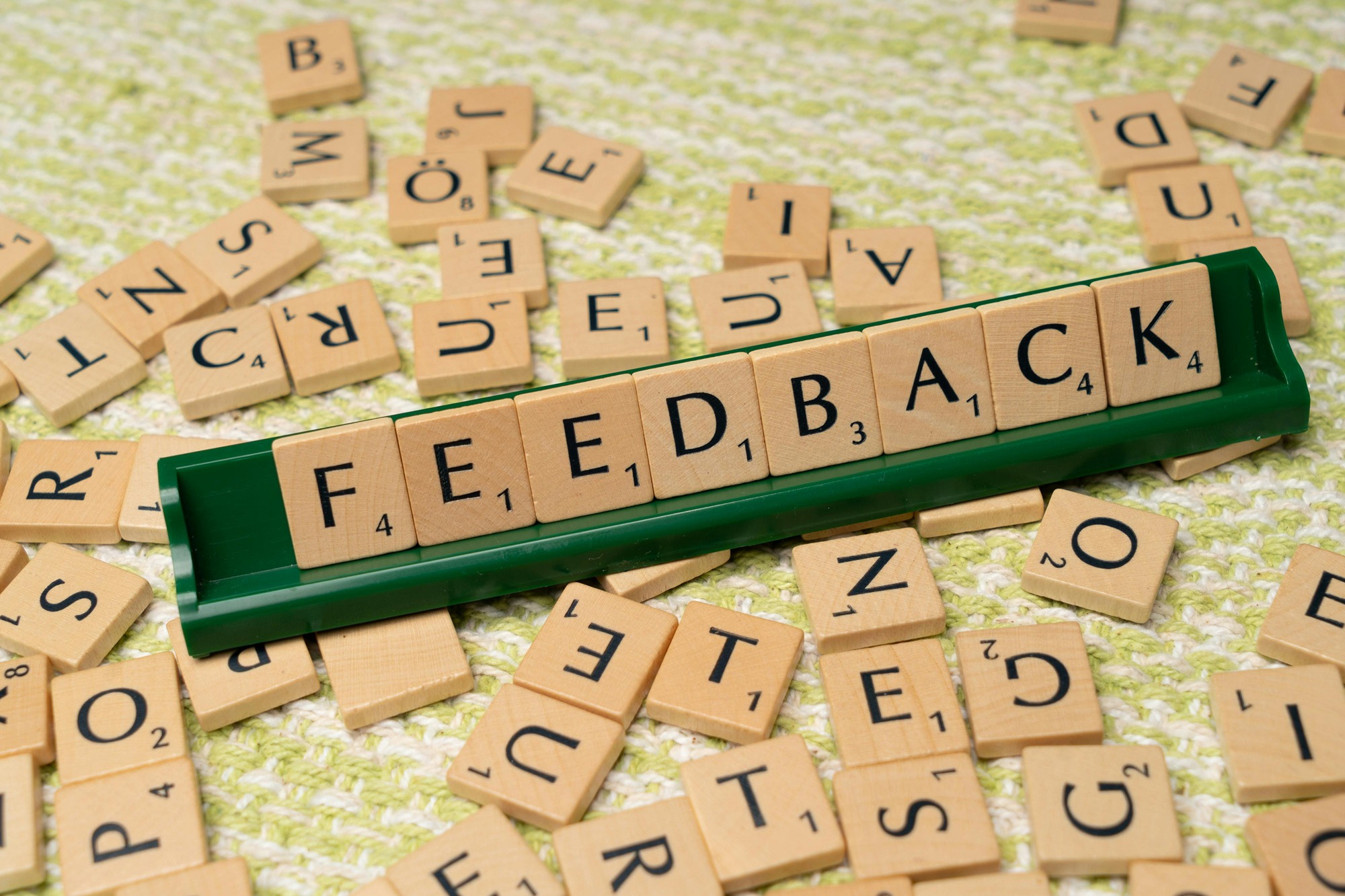
You asked. They told you. Nothing changed.
Now you would like them to fill in another survey?

Most organisations genuinely want to hear what their people think. So they run an employee engagement survey.
The results come back. There are presentations. Action plans are created. Managers are asked to discuss the findings with their teams.
Then operational pressures take over. Priorities move on.
Twelve months later, another email lands:
Your voice matters.
Please complete this year’s survey.
But what happened to what people told you last time?
Why employee survey follow-up matters
An employee survey can tell an organisation a great deal. It can reveal patterns in engagement, wellbeing, trust, workload, psychological safety and other aspects of working life.
Collecting that information is useful. But the survey does not create change simply because it has been completed, analysed and presented.
A systematic review by Huebner and Zacher, published in 2021, looked specifically at what happens after employee surveys. The authors found that the effectiveness of surveys as an organisational development tool depends heavily on the follow-up process: how the data are fed back, understood and used to begin organisational change.
They also pointed to a familiar problem. Organisations can treat the survey process as complete once the data have been collected, neglecting the follow-up needed to use the findings properly.
This limits the value of a tool that may have taken considerable time, effort and money to deliver.
The survey results have arrived. What happens next?
Once the results are available, attention often turns quickly to action planning. Managers may receive a dashboard, a slide deck or a set of scores. They are asked to share the findings with their teams and agree some actions.
On paper, that sounds reasonable.
In practice, the manager may be looking at a low score for trust, psychological safety or workload and wondering:
What does this result actually mean?
What is driving it?
Which issue should we focus on first?
What can we realistically influence?
How do I discuss a difficult result without becoming defensive or shutting the conversation down?
How do I involve the team in changing it?
What happens if the problem sits beyond the team’s control?
A dashboard cannot answer those questions on its own.
The survey identifies where attention may be needed. The follow-up process helps people explore what may be behind the pattern and decide what to do next.

From survey results to meaningful action
One of Huebner and Zacher’s practical recommendations particularly resonates with me: managers need to be supported to turn survey findings into action.
This means more than asking managers to hold a team meeting and submit an action plan by a particular date.
Managers need the resources and support to understand what their results are telling them, involve their teams in making sense of the findings, identify what needs attention and turn that insight into realistic action.
For example, they may need help to interpret the data and distinguish a local team issue from a wider organisational one. They may need a process for discussing difficult findings without becoming defensive or rushing to explain them away. And they need the authority, time and support to act on what the team identifies.
In other words, managers should not simply be given survey results and responsibility for fixing them. They need to be equipped to help their teams understand the findings, decide what they can influence and take meaningful action.
Because collecting the data is the easy bit.
Knowing what to do with it is harder.
Why employee survey action plans often lose momentum
Survey follow-up competes with everything else managers and teams are expected to do.
The initial presentation creates a burst of attention. People may generate several actions, often with good intentions. Then immediate operational demands return. The actions are too broad, ownership is unclear or the team has chosen a problem it cannot influence on its own.
Sometimes the action plan becomes another document to complete rather than a useful guide to change.
Momentum is more likely to be lost when:
teams are given results without support to interpret them;
managers are expected to facilitate difficult conversations without preparation;
too many priorities are selected at once;
actions are vague or unrealistic;
nobody is clear about ownership;
teams cannot see what is within their control;
wider organisational barriers are not escalated; or
progress is not revisited until the next survey.
The answer is not necessarily a longer action plan. Often, it is a clearer process and a smaller number of meaningful actions that the team can own and revisit.
Is survey fatigue really about the number of surveys?
“Survey fatigue” is often used to describe employees becoming tired of being asked for feedback.
The frequency and length of surveys may contribute. But perhaps survey fatigue is not always about being asked too many questions.
Sometimes people are tired of answering the same questions and seeing too little happen afterwards.
If employees repeatedly raise concerns about workload, trust or poor behaviour and cannot see any response, another invitation to share their views may feel hollow. The organisation says that their voice matters, but their experience suggests that little follows from using it.
This can leave leaders with a difficult cycle. Response rates fall, so the organisation works harder to encourage participation. Yet the strongest way to demonstrate that participation matters may be to show what happened because people took part last time.
What good employee survey follow-up looks like
Good follow-up is not about promising to fix everything. Some issues are complex, and some sit outside the immediate control of a team or manager. It is about creating a credible link between feedback and action.
That may involve:
1. Making sense of the results together
Give the team space to explore what sits behind the scores rather than assuming the dashboard provides the full diagnosis.
2. Choosing a realistic priority
Focus on an issue that matters and where action is possible, rather than producing an ambitious list that quickly becomes unmanageable.
3. Identifying what the team can influence
Separate local actions from barriers that need support or decisions elsewhere in the organisation.
4. Agreeing specific actions and ownership
Make it clear what will happen, who will take responsibility and when progress will be reviewed.
5. Keeping the conversation alive
Return to the issue during ordinary team activity instead of waiting for the next annual survey cycle.
6. Showing what changed.
Tell employees what has happened, what is still in progress and what cannot currently be changed.
This makes follow-up part of how the team works, not a short-lived exercise after the results presentation.

From measuring culture to changing it
This is exactly the problem we designed the Culture Gauge Teams Programme to address.
Culture Gauge does not stop at measuring culture. It gives teams a structured way to understand what their diagnostic results are telling them and supports managers and their teams to take ownership of what happens next.
The aim is to move from a set of scores to a useful conversation, a clear priority and practical action that the team can sustain.
Because the survey is not the intervention.
What you do with the results is.
If your organisation wants to move beyond measuring culture and start enabling teams to change it, you can.
Reference: Huebner, L.-A., & Zacher, H. (2021). Following up on employee surveys: A conceptual framework and systematic review. Frontiers in Psychology, 12, 801073.

Nicole Williams is an occupational and coaching psychologist specialising in culture repair, team dynamics and psychologically safe workplaces.
Comments