
What allegations of “Toxic Culture” can teach us about Organisational Psychology

Recent reporting about allegations of bullying and a “toxic work culture” at the University of South Wales prompted me to reflect on some of the broader organisational psychology dynamics that can emerge within workplace cultures generally.
Read the BBC report here.
Situations like this often raise important questions about:
psychological safety
leadership culture
organisational silence
power dynamics
and how organisations respond when concerns are raised internally
Because when terms like “toxic culture” repeatedly emerge within organisations, they are rarely only describing interpersonal conflict.
More often, they reflect wider systemic and psychological patterns that have developed over time.
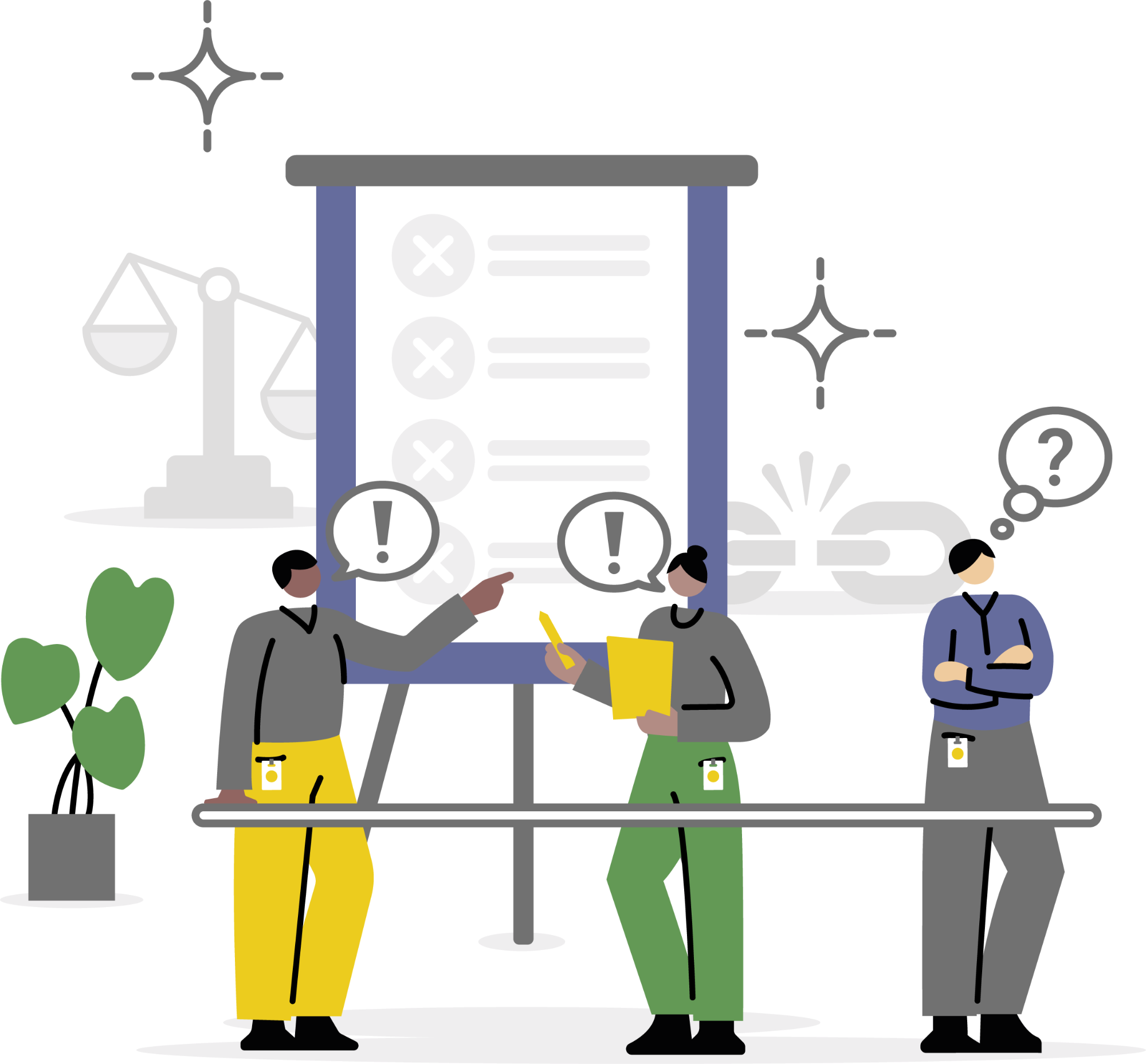
Toxic cultures are usually systemic, not individual
One of the biggest misconceptions about unhealthy workplace cultures is that they are caused solely by a few difficult people. In reality, cultures are shaped by systems.
They are influenced by:
leadership behaviours
communication patterns
accountability structures
workload pressures
hierarchy
organisational priorities
and what behaviours become tolerated or normalised over time
This is why toxic cultures rarely emerge overnight. They often develop gradually through repeated experiences where employees feel:
unheard
unsupported
psychologically unsafe
or unable to influence the environment around them
Organisational silence
One of the most important psychological concepts in these situations is organisational silence. This occurs when employees begin to perceive that speaking openly is risky, ineffective, or professionally unsafe.
Over time, people may start believing:
“There’s no point raising concerns.”
“Nothing will change.”
“Speaking up could damage my career.”
“It’s safer to stay quiet.”
When this happens, organisations lose access to honest feedback about what staff are genuinely experiencing. Problems then remain hidden beneath the surface for long periods of time, often until external scrutiny forces them into the open.
Importantly, organisational silence is not always intentional. Sometimes it emerges unintentionally within high-pressure environments where leaders are overwhelmed, communication becomes defensive, or staff no longer feel psychologically safe enough to challenge upwards.
Learned helplessness in workplace cultures
Another mechanism that can emerge in unhealthy organisational systems is learned helplessness.
When people repeatedly experience:
inaction after concerns are raised,
inconsistent leadership responses,
defensiveness,
perceived lack of influence,
they can begin to psychologically disengage from trying to improve the situation altogether. This can manifest as:
emotional withdrawal
cynicism
burnout
presenteeism
low morale
reduced trust
increased sickness absence
Importantly, this is not simply about resilience or coping skills. It is often a human response to feeling powerless within the wider system.
The role of hierarchy and power
In many professional environments - including universities, healthcare organisations, and other large institutions - hierarchy plays a significant psychological role.
Career progression can depend heavily on:
senior relationships
reputation
sponsorship
references
opportunities
internal networks
This can create strong power dynamics, particularly if psychological safety is weak. In these cultures, harmful behaviours are not always overt.
They may emerge through:
exclusion
withholding opportunities
reputational undermining
procedural targeting
social isolation
subtle intimidation
These behaviours can be difficult to challenge openly when individuals fear professional consequences.

Psychological safety matters
Healthy organisational cultures are not cultures without disagreement, challenge, or mistakes.
They are cultures where people feel psychologically safe enough to:
raise concerns
admit uncertainty
challenge appropriately
discuss mistakes openly
trust that concerns will be handled fairly
Psychological safety is not about lowering standards or avoiding accountability. It is about creating environments where people do not feel punished simply for speaking honestly about problems.
Without psychological safety, organisations lose one of their most important mechanisms for learning and improvement.
Culture is defined by experience, not statements
Many organisations have strong values statements. But culture is not defined by what is written on websites or displayed on office walls.
Culture is defined by:
how people experience leadership
how concerns are responded to
what behaviours are rewarded
what behaviours are ignored
whether employees feel safe enough to be truthful about what is happening internally
This is why conversations about toxic culture matter. Not simply because of reputational risk, but because workplace cultures have profound psychological consequences for the people working within them.
And ultimately, healthy organisations are not those that never experience difficulty.
They are organisations willing to reflect honestly on the systems, behaviours, and conditions that shape how people experience work.

Nicole Williams is an occupational and coaching psychologist specialising in culture repair, team dynamics and psychologically safe workplaces.
Comments