
Decision making in organisations: Why the meeting isn’t where decisions are made
Decision making in organisations often looks structured and inclusive...
You are invited to a meeting.
Slides are presented.
Questions are asked.
People contribute.
On the surface, it looks like a discussion. Like people have a say.
But often, the decision has already been made.
The meeting just makes it official.
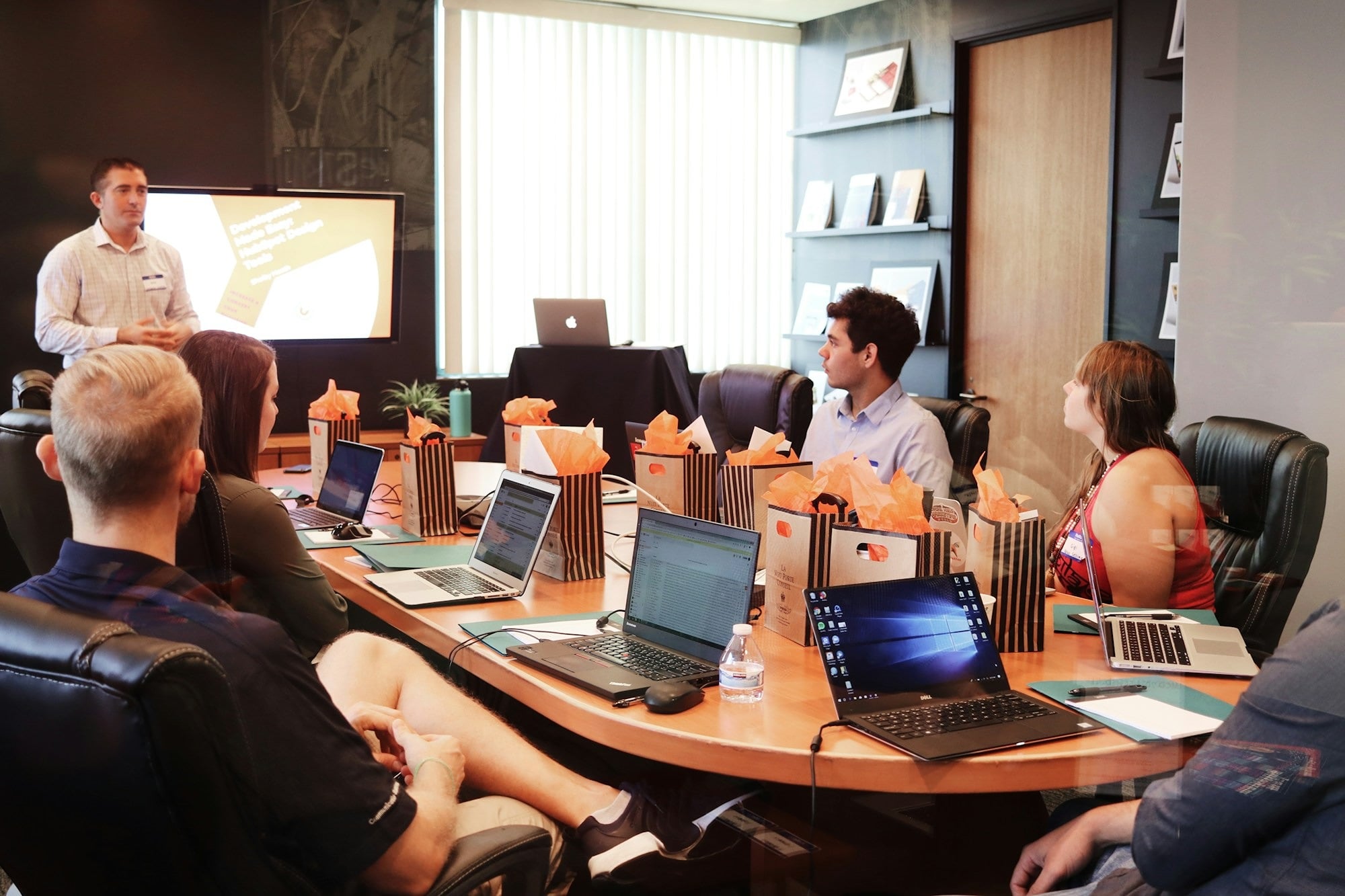
The illusion of participation
Many organisations believe their decision making is open.
Meetings are designed to:
Share information
Invite input
Encourage discussion
But what you see is not always what is happening.
If you watch closely, patterns emerge.
What you notice in the room
In teams with constrained decision making in organisations, meetings follow a familiar dynamic:
Certain people speak and no one challenges them
Others begin to speak, then stop
Some choose not to contribute at all
You can often feel it. There is an invisible boundary:
Things you can say
Things you cannot
And people quickly learn where that boundary sits.
What people experience
When I work with teams, people often describe meetings as “frustrating.”
They say:
Decisions seem to come from nowhere
Outcomes feel pre-determined
Input does not change anything
It creates a sense that participation is not real.
And in many cases, they are right.
Where decisions actually happen
The meeting is not where decision making in organisations takes place.
It is where decisions are confirmed. The real discussions happen earlier. In:
Informal conversations
Smaller, trusted groups
One-to-one interactions
Networks of influence
By the time the meeting happens, direction is already set.
Why this matters
When decisions are made outside formal settings:
Transparency is reduced
Inclusion is limited
Accountability becomes unclear
People in the room are reacting to a decision they did not shape.
Even if the process appears open.
The role of informal influence
Decision making in organisations is shaped by influence, not just structure.
Some individuals:
Carry more weight
Shape thinking early
Set direction before wider discussion
Others are brought in later.
At that point, there is little space to challenge.
Why meetings don’t fix the problem
Organisations often try to improve decision making by fixing meetings.
They introduce:
Better agendas
Structured facilitation
Ground rules for inclusion
Encouragement to speak up
These changes can help. But they do not address the core issue.
Because the issue is not the meeting.
The real issue: Who can be challenged
The key factor in decision making in organisations is not format. It is power.
Specifically:
Who can be challenged
Who cannot
If certain individuals sit outside challenge:
Their views go untested
Others self-censor
Alternative perspectives are not explored
At that point, the decision is already made.
How people adapt
People quickly learn how decision making works.
They notice:
Who is open to challenge
Who is not
What happens when someone pushes back
Then they adapt and you see:
Careful wording
Indirect feedback
Silence in meetings
Conversations moved offline
Not because people lack ideas.
But because they are managing risk.
The impact on organisations
When decision making in organisations is driven by informal influence and limited challenge, it affects outcomes.
You may see:
Poor or untested decisions
Repeated issues
Low engagement in meetings
Reduced trust in leadership
People stop believing their input matters.
And they disengage.
What organisations need to look at
If you want to improve decision making in organisations, look beyond the meeting.
Ask:
Where are decisions actually being shaped?
Who is involved early?
Who is excluded?
Who can be openly challenged?
These questions reveal how decisions are really made.
Shifting decision making practices
Improving decision making is not about running better meetings. It is about addressing the system around them.
This includes:
Making early-stage discussions more visible
Widening who is involved before decisions are formed
Addressing power dynamics that limit challenge
Creating conditions where challenge is accepted
Without this, meetings remain performative.

Final thought
If the decision has already been made before the meeting starts, the discussion is not real.
It is confirmation.
Decision making in organisations is shaped long before people enter the room.
If you want better decisions, you have to look at where influence sits.
And who feels able to challenge it.

Nicole Williams is an occupational and coaching psychologist specialising in culture repair, team dynamics and psychologically safe workplaces.
Comments